
Multimodal Transportation
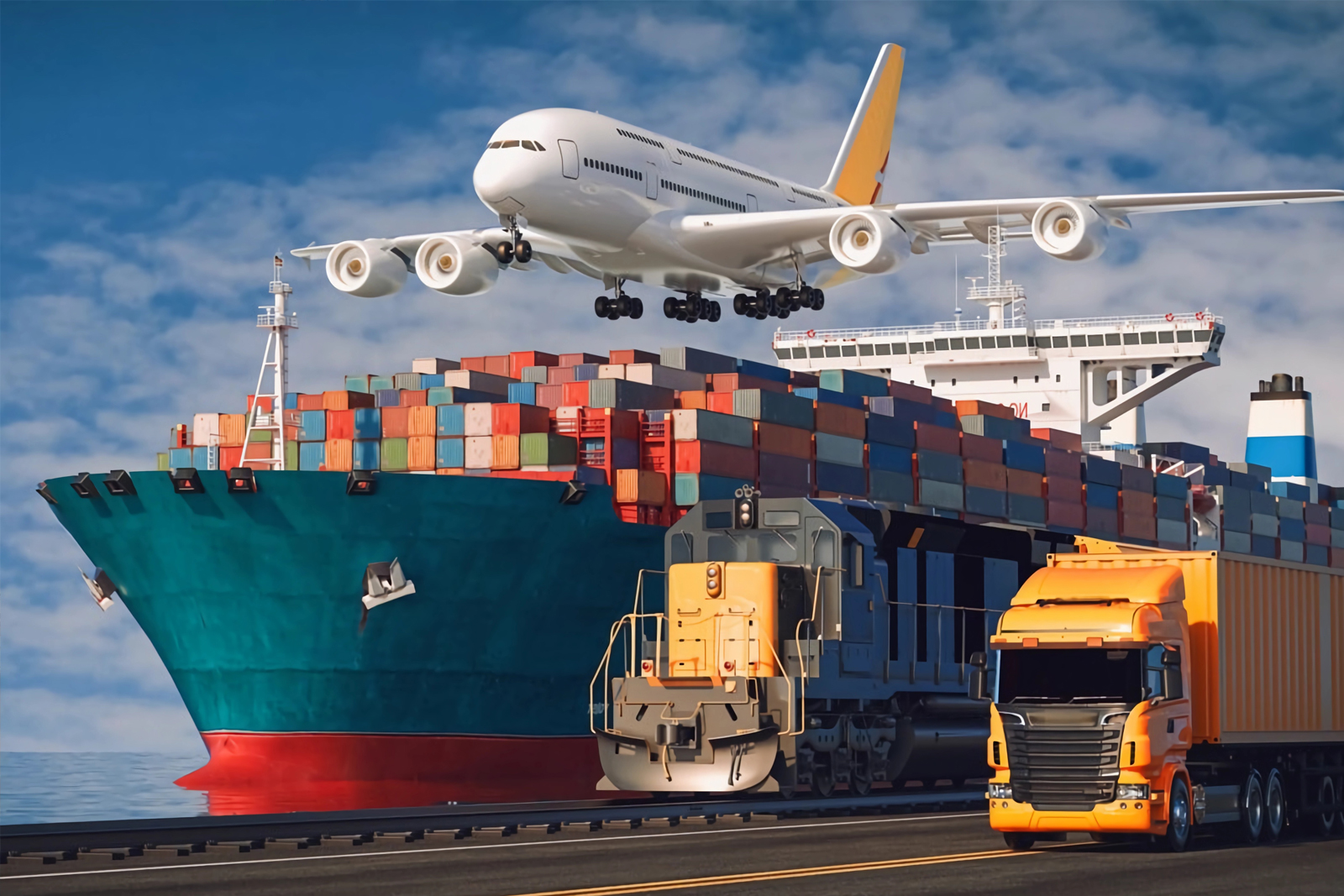
In today's complex global trade environment, businesses require more than just a single mode of transport to move their goods efficiently across borders. Multimodal transportation, which integrates different modes of transport (sea, air, road, and rail) under a single contract, has become the backbone of modern logistics. Companies like Veralog leverage this approach to provide seamless, end-to-end solutions that optimize both time and cost.
What is Multimodal Transport? Multimodal transport involves the use of at least two different modes of transportation—such as combining sea freight with road or rail—to move cargo from a point in one country to a destination in another. The defining feature of this method is that, despite using multiple carriers, the entire journey is managed under a single unified bill of lading and a single point of responsibility. Strategic Advantages According to the service excellence principles followed by industry leaders like Veralog, multimodal solutions offer several key benefits: • Cost Optimization: By combining the speed of air freight with the cost-effectiveness of sea or road transport, businesses can find a "middle ground" that suits their budget without sacrificing too much time. • Global Reach: Utilizing a professional agent network and memberships in international organizations (such as WCA, IELA, and IATA) allows cargo to reach even the most remote destinations by switching modes where infrastructure changes. • Sustainability: Shifting long-haul segments from road to rail or sea significantly reduces the carbon footprint of the supply chain. • Reduced Risk: Specialized logistics providers manage the complex transitions between ports, airports, and warehouses, minimizing the risk of delays or damage during transshipment. Specialized Applications Multimodal logistics is not a one-size-fits-all solution. Depending on the industry, different strategies are applied: • Project & Chartering: For oversized or heavy-lift cargo (Defense Industry or Project Logistics), a combination of sea chartering and specialized road transportation is often essential. • Time-Critical Shipments: Services like "Minivan Transportation" or "Air Freight" can be integrated with road networks to ensure "door-to-door" delivery for urgent fair and congress materials. Conclusion As Veralog emphasizes through its innovative and dynamic approach, multimodal transport is about more than just moving boxes; it is about creating added value. By integrating sea, air, and land routes, logistics providers offer the flexibility and reliability that modern global trade demands. For businesses looking to exceed their customers' expectations, embracing multimodal strategies is no longer an option—it is a necessity.